Eco-Friendly Fabric: How To Wash And Maintain Clothes Sustainably
Your favorite shirt is pilling and fading after just three washes. It's frustrating, right? You don't have to keep replacing clothes. By changing how you wash your sustainable fabric pieces, you can make them last for years. Let's look at how to stop the cycle of wash and trash.
Stop Using Hot Water For Every Load
Most of us grew up thinking hot water is the only way to get clothes clean. That might have been true when detergents were weak, but today's soaps are designed to work in cold water. When you use high heat on eco-friendly fabric, you are essentially cooking the fibers. Heat causes natural materials like cotton to shrink and synthetic fibers to lose their shape.
Switching to a 30°C (86°F) or even a 20°C wash is the easiest way to save your wardrobe. Cold water prevents colors from bleeding and keeps the stretch in your leggings. If you have a stain, don't rely on hot water to blast it out. Instead, rub a bit of liquid soap directly on the spot ten minutes before the wash starts. This targeted approach is much gentler than heating 15 gallons of water to remove one coffee smudge.
In addition to saving your clothes, cold washing can cut your energy bill. About 90% of the energy a washing machine uses goes toward heating the water. By turning the dial down, you're significantly reducing your laundry day's carbon footprint.
The Dryer Is Shaving Years Off Your Wardrobe
If you want to see your clothes die in real time, check your dryer's lint trap. That fuzzy stuff isn't just dust—it is literally the fibers of your clothes being shredded and blown off by high-velocity heat. Every time you run a heavy dry cycle, your sustainable clothing materials get thinner and weaker.
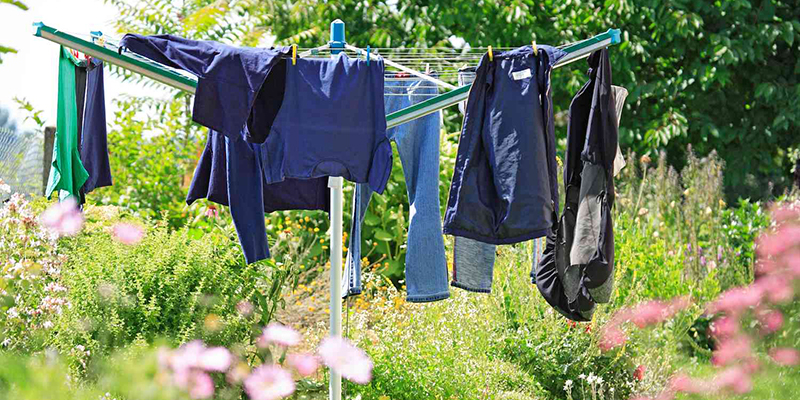
Air drying is the gold standard for longevity. However, you have to do it right to avoid that crunchy feeling or stretching the fabric out of shape.
1. For Natural Fiber Clothing: Items like heavy cotton sweaters or linen shirts should be laid flat on a towel. If you hang a wet cotton sweater on a thin wire hanger, gravity will pull the shoulders down, leaving you with hanger bumps that never go away.
2. For Lighter Items: T-shirts and button-downs can go on a drying rack. Give them a good shake before hanging to knock out the wrinkles; this often means you won't need to iron them later.
3. Avoid Direct Sunlight: While the sun is a great natural bleach for white sheets, it will eat through the dyes in your dark clothes. Dry your colorful items in the shade or indoors to keep them from looking washed out.
If you absolutely must use a dryer, use the low heat or air fluff setting. Toss in a few wool dryer balls instead of dryer sheets. The balls bounce around, creating air pockets between the clothes, which speeds up drying time without extra heat.
Managing Recycled Polyester Fabric And Microplastics
Even when we choose recycled polyester, we still have to deal with a hidden problem: microplastics. Every time synthetic fabric is agitated in a machine, thousands of tiny plastic threads break off and wash down the drain into the ocean.
To stop this, you don't need to stop wearing your recycled gear; you need to change how you wash it.
1. Use a Filter Bag: Put your synthetic items inside a microplastic-catching bag (like a Guppyfriend) before tossing them in the machine. These bags act as a sieve, letting water through but catching the fibers. After the wash, you pull the lint out of the bag and put it in the trash.
2. Wash Less Often: Synthetics like polyester don't absorb odors as fast as cotton. If you wore a jacket for an hour, it probably doesn't need a full wash. Hang it up in a breezy spot instead.
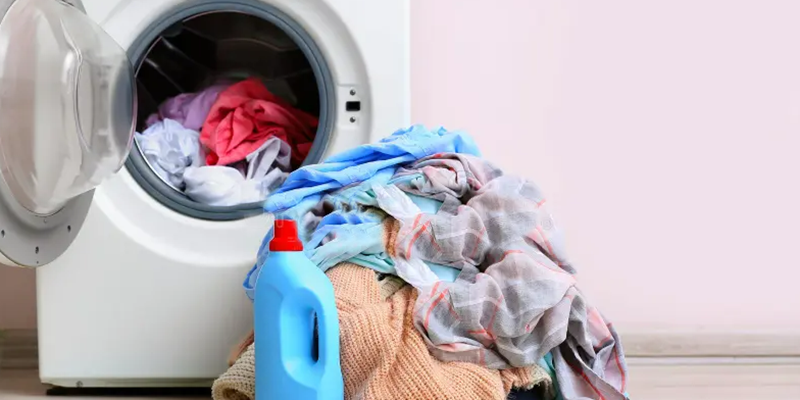
3. Full Loads Only: When the machine is half-empty, the clothes bang against each other more violently. A full (but not stuffed) load creates less friction, which means fewer fibers break off.
Specific Care For Different Sustainable Clothing Materials
Not all eco-friendly fabrics are created equal. A hemp shirt needs different treatment than a Tencel dress. Understanding your fabric's personality helps you avoid accidental ruin.
Organic Cotton And Hemp
These are the workhorses of natural fiber clothing. They are tough, but they love to shrink. Always wash these in cold water and never, ever put them in a hot dryer. Hemp actually gets softer the more you wash it, so don't be afraid of the initial stiffness. If an organic cotton shirt feels stiff after air drying, snap it like a whip a few times to loosen the fibers.
Tencel, Lyocell, And Bamboo
These materials are prized for their silky, breathable feel. However, they are semi-synthetic, meaning they are made from wood pulp. When they get wet, the fibers become much weaker than cotton. You should never wring these out tightly. If you hand-wash a Tencel dress, lay it on a towel, roll the towel up like a sleeping bag to squeeze out the water, then lay it flat to dry.
Linen
Linen is incredibly durable—some linen pieces last for decades—but it has no memory. This means if you fold it sharply or let it dry in a crumpled heap, those wrinkles might stay forever. The trick with linen is to take it off the drying rack while it is still a tiny bit damp and iron it immediately. The steam from the dampness will make the fabric look crisp and brand new.
Ditch The Dry Cleaner For Better Alternatives
Traditional dry cleaning is a bit of a scam for most clothes. It uses a chemical called perc (perchloroethylene), which is harsh on the environment and your skin. Most items labeled Dry Clean Only can actually be cleaned at home with a little patience.
Instead of the dry cleaner, try these steps:
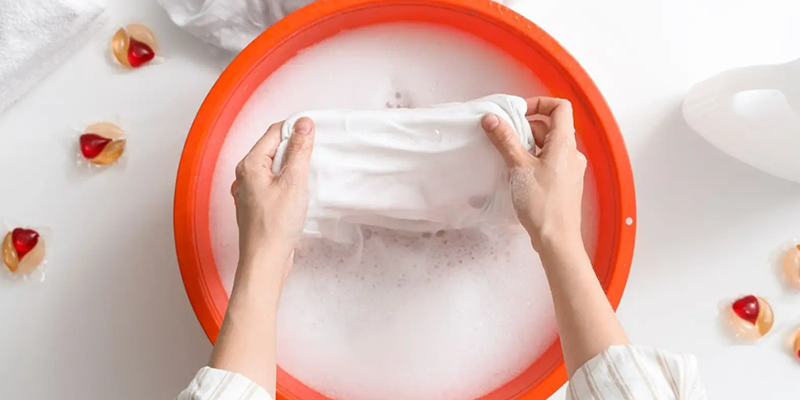
1. The Hand Wash Method: Fill a sink with cool water and a drop of gentle wool wash. Submerge your dry-cleaned item, let it soak for 10 minutes, and rinse. Don't scrub; gently squeeze the soapy water through the fabric.
2. Steam It: If a garment isn't actually dirty but smells like a closet or a restaurant, use a handheld steamer. The hot steam kills bacteria and removes odors without the wear and tear of a washing machine.
3. The Freezer Trick: This works wonders for raw denim or wool. If your jeans are starting to smell, put them in a sealed bag and freeze them overnight. The cold kills the odor-causing bacteria without fading the indigo dye.
Storage Habits That Prevent Stretching And Holes
How you put your clothes away is just as important as how you wash them. Even the best sustainable fabric will fail if it's stored poorly.
Hanging vs. Folding:
- Fold: Sweaters, knits, and anything with stretch. If you hang a heavy knit, the garment's weight will eventually stretch the neck and hem, making it look sloppy.
- Hang: Linen, silk, and woven cotton. Use wide, padded hangers or wooden hangers. Avoid thin wire hangers at all costs; they act like a dull knife, putting constant pressure on a tiny strip of fabric until it tears.
Dealing with Pests:
Moths love natural fiber clothing, especially wool and silk. Instead of using toxic mothballs, use cedar blocks or dried lavender sachets. If you are storing clothes for the season, make sure they are completely clean first. Moths are actually attracted to the microscopic bits of skin and sweat left on worn-out clothes, not just the fabric itself.
Spot Cleaning: The Secret To Longevity
The most sustainable wash is the one you never do. Every time a garment goes through a machine cycle, it loses a little bit of its life. If you drop a bit of food on your shirt, don't throw the whole thing in the hamper.
Keep a stain kit handy:
1. Club Soda: Great for fresh red wine or juice.
2. Dish Soap: The best for grease or oil stains because it's designed to break down fat.
3. White Vinegar: Good for removing sweat yellowing under the arms.
By spot cleaning, you might be able to wear a pair of trousers five or six times before they actually need a full wash. This keeps the fabric's structure intact and keeps the colors vibrant for much longer.
Conclusion
When you treat your sustainable clothing with respect—washing in cold water, air-drying, and avoiding harsh chemicals—you stop being a victim of the fast-fashion cycle. You'll find that your wardrobe stays looking sharp, your skin feels better against natural fibers, and you save a significant amount of money over time.
Related Posts
The Evolution of Casual Work Attire for Women and Modern Office Style Trends

Mastering Men Casual Outfits Your Ultimate Guide to Stylish Everyday Looks
Casual Church Outfits A Practical Guide to Dressing Comfortably, Modestly, and Stylishly
7 Sustainable Sneakers You’Ll Want To Wear On Repeat
How to Repair Old Clothes Instead of Throwing Them Away